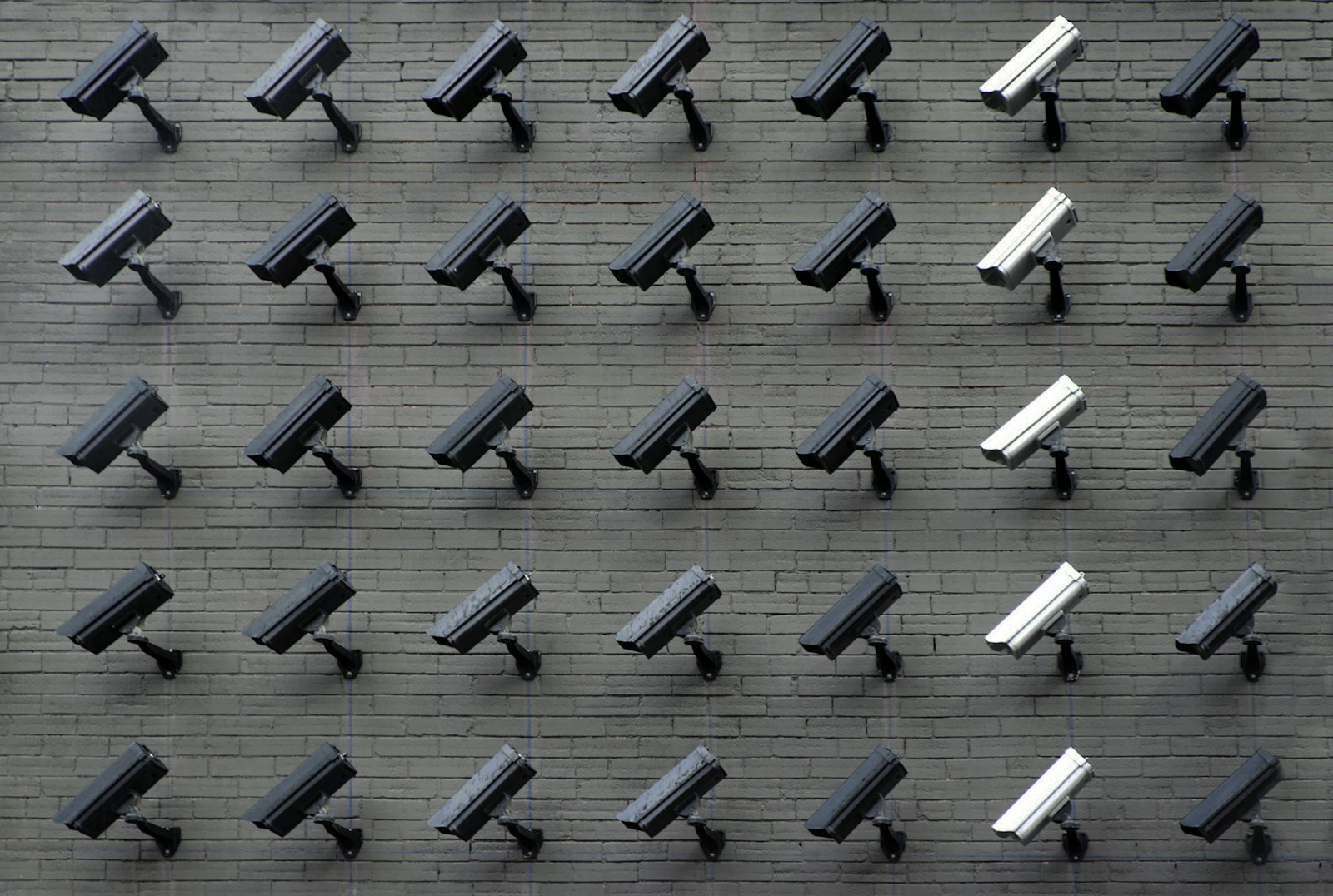
Home security cameras used to be dumb eyes on a wall. They recorded everything, buzzed you about every passing cat, and left you scrubbing through hours of footage to find the one clip that mattered. In 2026, that’s ancient history. The best home security cameras now run on-device AI that tells the difference between a person, a package, a pet, and a windblown tree branch—and only bothers you when it counts.
But “AI-powered” has become a marketing sticker slapped on nearly every camera box, and the actual intelligence behind them varies wildly. Some brands do genuinely clever facial recognition and package detection; others just repackage basic motion alerts with a smarter-sounding name. To cut through the noise, we put the three biggest players head to head: Amazon’s Ring, Google’s Nest, and the budget disruptor Wyze.
Here’s how they compare on AI features, video quality, privacy, subscription costs, and real-world usefulness—so you can pick the right eyes for your home.
What Makes a Security Camera “AI-Powered” in 2026?
Before comparing brands, it helps to know what the AI is actually doing. Modern smart cameras use computer vision models—increasingly running on the device itself rather than in the cloud—to analyze the video feed in real time. The most valuable AI features today include:
- Smart object detection: Distinguishing people, vehicles, animals, and packages instead of triggering on any motion.
- Familiar face recognition: Learning who lives in your house so you get “Sarah is home” instead of “motion detected.”
- Package alerts: Telling you specifically when a delivery arrives—or disappears.
- Activity zones: Ignoring the busy sidewalk while watching your front door.
- AI-generated event descriptions: Natural-language summaries like “A person in a red jacket walked up to the porch and left a box.”
The gap between brands mostly comes down to how accurate this detection is, how much of it happens on-device versus in the cloud, and—critically—how much of it is locked behind a paid subscription.
Ring: The Ecosystem King
Ring, owned by Amazon, remains the most recognizable name in home security, and for good reason: its lineup is enormous. Video doorbells, floodlight cams, indoor cams, battery and wired options—whatever the mounting scenario, Ring has a device for it. That breadth, combined with tight Alexa integration, makes it the easiest brand to build a whole-home system around.
AI Features
Ring’s AI has matured significantly. Its Smart Alerts now reliably separate people from vehicles and animals, and its Smart Video Search feature lets you type natural-language queries like “dog in the backyard” or “delivery van” and jump straight to matching clips. In 2026, Ring also rolled out AI-generated event descriptions that summarize what happened in plain English before you even open the app. Package detection is solid, and activity zones are easy to configure.
Video and Hardware
Most current Ring cameras shoot in crisp 2K, with the flagship models offering excellent low-light color night vision. Build quality is dependable, and the battery-powered options are genuinely easy to install with zero wiring.
The Catch
Nearly all of Ring’s AI features require a Ring Home subscription (starting around $5/month per device or ~$10/month for unlimited cameras). Without it, you get live view and real-time alerts but no recorded video history and none of the smart search magic. Ring’s past privacy controversies—including footage-sharing arrangements with law enforcement—also make some buyers wary, though the company has since added end-to-end encryption options and rolled back some of those programs.
Nest: The Smartest Detection
Google Nest cameras are the connoisseur’s pick. They’re not the cheapest and the lineup is smaller than Ring’s, but when it comes to raw AI intelligence, Nest is consistently a step ahead.
AI Features
Nest’s standout is Familiar Face Detection, which builds a private library of faces and tells you exactly who’s at the door—a feature Ring still doesn’t match natively. In 2026, Google folded its Gemini AI models into the Nest experience, powering remarkably detailed event descriptions and letting you ask conversational questions about your camera history (“Did the kids get home from school?”). Its person, animal, vehicle, and package detection is among the most accurate we’ve tested, with notably fewer false alerts than competitors.
Video and Hardware
Nest cameras feature excellent HDR image quality, and the wired models offer up to 24/7 continuous recording—something Ring doesn’t do. The hardware design is clean and understated, blending into a home rather than shouting “security camera.”
The Catch
The best features—familiar faces, longer video history, 24/7 recording—live behind a Nest Aware subscription (about $8/month, or $15/month for the Plus tier with continuous recording). The upside: one subscription covers all your Nest cameras, which makes Nest surprisingly economical for multi-camera homes compared to Ring’s per-device pricing.
Wyze: Shockingly Capable for the Price
Wyze built its reputation on selling genuinely good cameras for a fraction of what the big brands charge—often $30–$40 for a camera that would cost $100+ elsewhere. In 2026, it’s still the value champion, and its AI has quietly gotten good.
AI Features
Wyze offers person, pet, vehicle, and package detection through its Cam Plus plan, and detection accuracy has improved dramatically over the years. Its “friendly faces” recognition and AI-powered notification summaries bring it closer to Nest-tier smarts than the price tag suggests. For most households, Wyze’s AI is more than good enough for the everyday jobs of spotting people and packages.
Video and Hardware
Current Wyze cameras deliver solid 2.5K resolution and respectable night vision. The trade-off shows up in build quality and app polish—both are fine, not premium—and the ecosystem, while broad, feels less cohesive than Google’s or Amazon’s.
The Catch
Cam Plus is cheap (roughly $2/month per camera or ~$10/month unlimited), and Wyze even offers limited free event recording—a rarity. The real caution flag is Wyze’s track record on security incidents: the company has suffered multiple data exposure events, including a well-publicized 2023 glitch that briefly let some users see thumbnails from other people’s cameras. Wyze has since hardened its systems, but if airtight privacy is your top priority, that history matters.
Head-to-Head Comparison
- Best AI detection: Nest — familiar faces plus Gemini-powered descriptions lead the field.
- Best ecosystem and device variety: Ring — a camera for every scenario, deep Alexa ties.
- Best value: Wyze — unbeatable hardware pricing and cheap, capable AI plans.
- Best for multi-camera homes: Nest — one Nest Aware subscription covers everything.
- Best free experience: Wyze — the only one offering meaningful free recording.
- 24/7 continuous recording: Nest (Plus tier) — Ring and Wyze are event-based only.
The Privacy Question You Can’t Ignore
Here’s the uncomfortable truth about every AI security camera: you are inviting an always-on, internet-connected camera into your home, and the footage travels across your network to a company’s cloud servers. That’s a lot of trust to place in a brand—and as Wyze’s history shows, even well-meaning companies get breached.
A few habits dramatically reduce your risk regardless of which camera you buy:
- Enable end-to-end encryption wherever the brand offers it (Ring and Nest both do on select models).
- Use a strong, unique password and two-factor authentication on your camera account—credential stuffing is the most common way these accounts get hijacked.
- Isolate cameras on a guest Wi-Fi network so a compromised device can’t reach your computers and phones.
- Secure your network traffic. When you check your camera feeds from public Wi-Fi—an airport, a hotel, a coffee shop—that connection can be intercepted. Routing your traffic through a trusted VPN such as NordVPN encrypts the link between your phone and the internet, keeping your login credentials and live feeds out of reach on untrusted networks.
No camera is perfectly private, but layering these protections means a single company’s misstep doesn’t automatically expose your home.
Which AI Security Camera Should You Buy?
The right pick comes down to what you value most:
- Choose Nest if you want the smartest, most accurate AI, familiar face recognition, and 24/7 recording—and you don’t mind paying a bit more for it. It’s the best all-around system, especially for homes running several cameras on one subscription.
- Choose Ring if you’re building a comprehensive system with doorbells, floodlights, and indoor cams, and you live in an Alexa household. Its device variety and integration are unmatched.
- Choose Wyze if you want capable AI security on a tight budget or you’re outfitting many rooms cheaply. Just go in with eyes open about its privacy history and lock down your account.
Whichever you choose, remember that the camera is only one link in the chain. The AI has gotten genuinely smart—smart enough to describe your porch visitors in full sentences—but the security of your footage still depends on the boring fundamentals: strong passwords, encryption, a segmented network, and a VPN when you’re away from home. Get those right, and you’ll have a system that watches your home without becoming a liability itself.
Disclosure: This article contains affiliate links. If you purchase through them, we may earn a commission at no extra cost to you.
Leave a Reply